
Created in conjunction with Immigration Advice Service
Are you planning to enter Canada with your dog? There’s no feeling quite like travelling with your furry friend by your side in a new place. But before you get too distracted fantasising about the beautiful lakes and mountains of Canada, there’s something you need to organise first: the paperwork for your dog.
The Canadian government is strict about bringing animals into the country. Indeed, certain regulations aim to prevent rabies in people and animals. You run a risk of experiencing delays at the border or, in the worst situation, having your dog rejected if you do not follow these rules.
Keep in mind that you must also obtain a Canada Visitor Visa to be allowed into the country. If you are not familiar with the Canadian immigration system, it is advisable to consult an immigration lawyer for legal assistance with obtaining the Canada Visitor Visa.

What Is the CFIA and What Role Does It Play in Dog Imports to Canada?
The Canadian Food Inspection Agency (CFIA) is the federal agency tasked with ensuring the safety of food, animals, and plants in Canada. Regarding the importation of dogs, the CFIA sets animal health standards to prevent the introduction of diseases, such as rabies, into the country.
The CFIA sets the criteria for your dog to enter Canada. They work with the Canadian Border Services Agency (CBSA), which conducts inspections and checks documents at ports of entry.
Understanding Canada Dog Entry Requirements 2026
All travellers coming to Canada must ensure their dogs meet the specified entry requirements. They are indicated in the strict guidelines set by the CFIA. The conditions your dog must meet depend on the country where the dog is travelling from, your dog’s age, the purpose of import, and whether the dog is travelling with you.
Individuals coming with their dogs from countries classified as ‘rabies-free countries’ find the process relatively easier than those from countries classified as ‘other’. However, every dog must meet essential health conditions and have valid documentation as evidence.
If you are coming to Canada with your four-legged companion, you may need to apply for a Canada Visitor Visa, depending on your country of origin. You must meet the visa’s eligibility criteria and gather all the required documents to support your application.
Completing your Canada Visitor Visa application and ensuring your dog meets Canada’s import requirements can take a few months. So, you need to plan and start your preparations early to ensure you and your dog are eligible to enter Canada. Starting early can also help your dog get the required rabies vaccine and documents before your expected travel date.

Vaccination Requirement for Bringing Your Dog to Canada
An essential requirement for bringing your dog to Canada is a rabies vaccination. If your dog is older than 3 months, it must be vaccinated against rabies. It should take place at least 21 to 30 days before travelling to Canada and be valid on the day you enter Canadian territory.
While not mandatory for a personal pet, microchipping your dog is highly recommended to verify its identity. Having a 15-digit ISO-compliant microchip on your dog can speed up the inspection process. Some airlines require it, and it can help reunite you with your dog if you lose them during your stay in Canada.
You must obtain the rabies vaccination certificate from a licensed veterinarian. It must be in English or French and should contain your dog’s name, breed, colour, age, sex, its level of protection against rabies, and a veterinarian should sign it. However, your country of origin and the border officer’s discretion can determine your dog’s entry to Canada.
This is because border officers inspect all animals at the point of entry and act on behalf of the CFIA. Even though your dog is exempt from the rabies shot, officers will verify its age, look for signs of illness, and ensure the dog is safe to enter Canada.
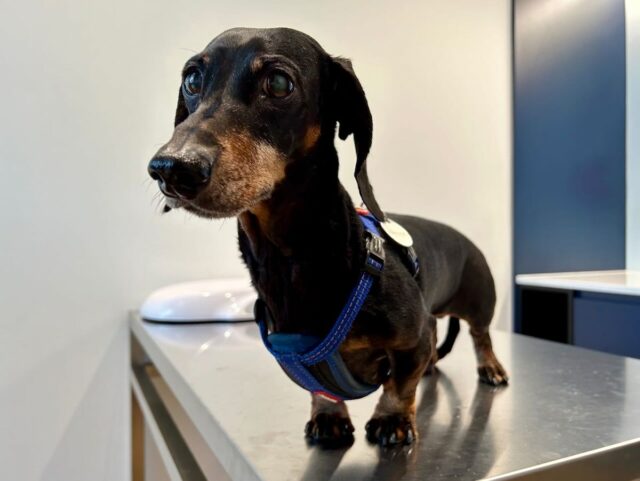
If your dog is under 3 months, it won’t need to be vaccinated, provided you accompany it and have verifiable proof of age, such as a signed document from a licensed veterinarian. Your dog must also be in good health. This exemption applies only to personal pets. If you are importing your dog for commercial purposes, including breeding, resale, adoption, exhibition, or fostering, other than for yourself, you must meet additional requirements.
If you are travelling from a rabies-free country, including the UK, Australia, Japan, and New Zealand, you can either provide a veterinary certificate attesting to your dog’s birth and at least six months of residency in that country. Or you can provide a rabies vaccination certificate.
Do I Need a Health Certificate to Bring My Dog to Canada?
You may need a health certificate to bring your dog to Canada if you are flying into the country. A health certificate is a comprehensive document that confirms your dog’s fitness to travel to Canada. It also confirms that your dog poses no health concern to Canada. You must obtain your dog’s health certificate at least 10 days before travelling to Canada.
What Paperwork Do I Need to Take My Dog to Canada from the UK?
The documents you need to bring your dog to Canada from the UK include:
- Rabies vaccination certificate (if your dog is over 3 months). It should specify your dog’s microchip number, if your dog has one
- Health certificate from a licensed veterinarian
- Transport documents including:
- Your ticket reservation, including your dog
- A receipt for transport fees if your dog is travelling in the cargo hold
- A live animal transport form (if required by the airline)
Tip: Two Canadian airlines, Air Canada and Air Transat, both fly pets out of the UK, including in the cabin, from selected UK airports.
In Conclusion
Travelling to Canada with a dog requires you to plan early. If you are a visa national, you must obtain a Canada Visitor Visa to enter the country temporarily.
You must also ensure that your dog meets all eligibility requirements specified by the CFIA. Get your dog vaccinated if your dog is of age, and ensure that your four-legged companion’s paperwork is complete and valid.
Sorting all the documentation requirements early in compliance with CFIA guidelines can help you avoid last-minute delays or issues when you get to the Canadian border.